The Faculty of Electrical Engineering and Information Technologies (FEEIT) at Ss. Cyril and Methodius University in Skopje is a partner in the European BUSUnited (BUILD UP Skills United) project, implemented under the LIFE Clean Energy Transition programme. The project aims to strengthen the skills and competences needed for the energy transition, energy efficiency, and decarbonisation of the construction sector in Europe through the creation of a broad European community of practitioners, institutions, and organisations. According to the attached text, the project implementation started on 01.09.2025 and will run until 31.09.2028.
BUSUnited builds on the long-standing European BUILD UP Skills initiative, established in 2011 by the European Union to strengthen skills and qualifications in the construction and building renovation sector. Within this broader framework, FEEIT has participated continuously since 2012, demonstrating the Faculty’s long-term institutional commitment to energy efficiency, sustainable construction, and the development of green skills.
Project goals
The main objectives of the BUS United project are:
- To support the development and upgrading of skills in the construction sector for the needs of the green transition.
- To foster international cooperation and the exchange of experience among national and European stakeholders.
- To strengthen capacities for delivering training and qualifications relevant to energy-efficient and sustainable buildings.
- To improve coordination among educational institutions, industry, public authorities, and professional organisations.
- To support innovation in approaches to training, reskilling, and continuous professional development.
- To contribute to achieving European climate and energy goals through a qualified workforce.
Within the project, a central role is played by Communities of Practice (CoPs), conceived as open and dynamic spaces for collaboration among professionals, trainers, public institutions, companies, and sectoral organisations. These communities focus on exchanging experience, identifying common challenges, and co-creating solutions in key areas related to skills development for sustainable design, construction, renovation, and maintenance of buildings.
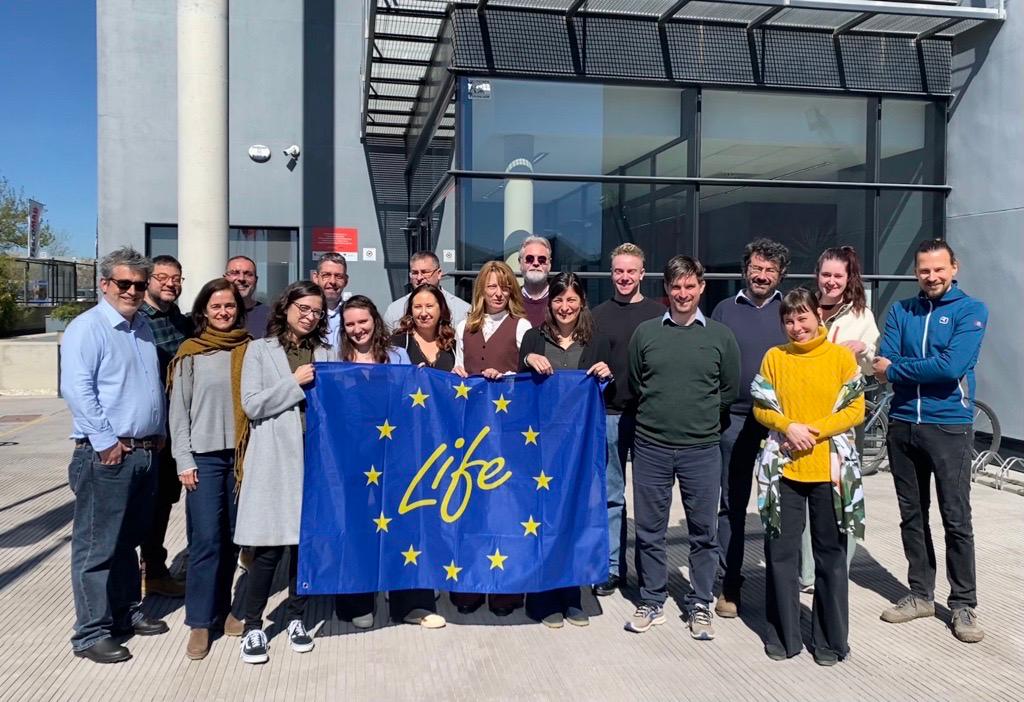
BUSUnited starts with seven initial thematic communities: sectoral skills needs, demand-side mechanisms, innovative teaching and training methods, skills recognition and validation, national implementation of skills roadmaps, funding sources, and European synergies. This approach enables structured cooperation at the European level and the creation of concrete outputs such as methodologies, tools, recommendations, policy briefs, and solutions for broader uptake across the sector.
The role of FEEIT
As a project partner, FEEIT contributes through its expertise in energy, energy efficiency, sustainable development, digitalisation, and education. Particularly significant is the fact that FEEIT is highly active in six Communities of Practice, where it participates in thematic discussions, the exchange of experience, the identification of challenges, and the promotion of possible solutions for skills development in the construction sector.
FEEIT’s participation in these thematic communities is a continuation of the Faculty’s long-term commitment to supporting national and European processes related to energy efficiency and sustainable construction. Through BUS United, FEEIT further strengthens its role as a bridge between higher education, research, policymaking, and practical implementation.
In CoP 1 – Sectoral skills needs, FEEIT acts as a lead and actively contributes to the development of methods for identifying and forecasting new skills needs, skills mapping, and establishing a common framework for the systematisation of sectoral skills. In CoP 2 – Demand Side Mechanisms, the Faculty leads the challenge aimed at activating end users and stimulating demand for high-quality and sustainable solutions for building energy efficiency.
In CoP 3 – Innovative teaching methods, UKIM/FEEIT plays an active role in the evaluation and validation of innovative training approaches, such as interactive e-learning, gamification, and virtual instructor-led training. In CoP 4 – Skills recognition, FEEIT leads activities related to reviewing frameworks for skills recognition and validation and the application of tools such as micro-credentials, digital skills catalogues, open digital badges, and prior learning recognition tools.
In CoP 5 – National skills roll-out, FEEIT serves as co-lead and heads activities for developing a method for extrapolating national skills roadmaps, an approach that will be piloted specifically in North Macedonia. In CoP 6 – Funding sources, UKIM/FEEIT serves as co-lead and is responsible for activities to develop a one-stop-shop concept for access to training and upskilling funding opportunities.
Through this participation, FEEIT once again confirms its strategic commitment to active involvement in European processes of digital transformation and energy transition by linking higher education, research, human capacity development, and support for public policies. Participation in BUSUnited represents an important continuation of FEEIT’s ongoing work within BUILD UP Skills from 2012 to the present day.
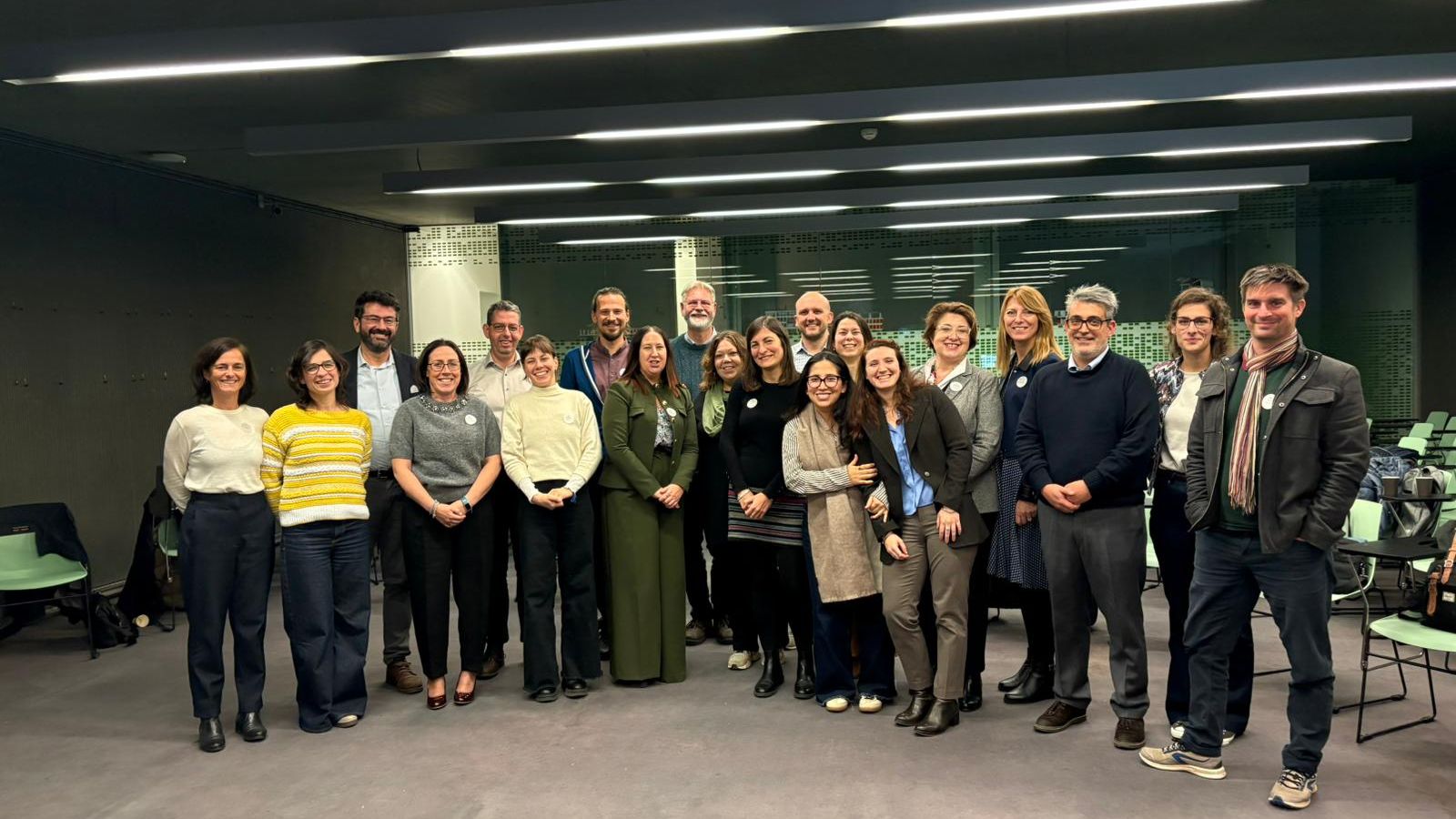
Through this project, FEEIT contributes to the development of modern, inclusive, and applicable solutions for strengthening the skills needed for the green and digital transition, with a clear orientation towards European climate and energy goals. BUSUnited also represents an additional opportunity to reinforce FEEIT’s role as a relevant academic and research partner in international initiatives focused on sustainable development and the building of a knowledge-based society.